
P. HILLII

No sharp crowns, and no heavy coating of white trichomes.

Hillii typically develops broad, rounded fronds with natural waves and gentle curves.

Together, these features make the plant feel less dramatic and give it a calmer, more composed character.

That is what makes Hillii so appealing.

In this article, we introduce several classic Deep Green Hillii cultivars, looking at their frond color,

shape, surface texture, and branching patterns to see how different characteristics can develop within Hillii.
P. hillii ‘Mio’
Before RP was introduced, Mio was already one of the classic and distinctive Deep Green Hillii cultivars.
Under certain growing conditions, Mio can develop a noticeable powdery blue-green tone,
adding a cooler character to its naturally deep-green appearance.
Its veins can also appear as distinct white lines, creating Mio’s characteristic surface pattern.
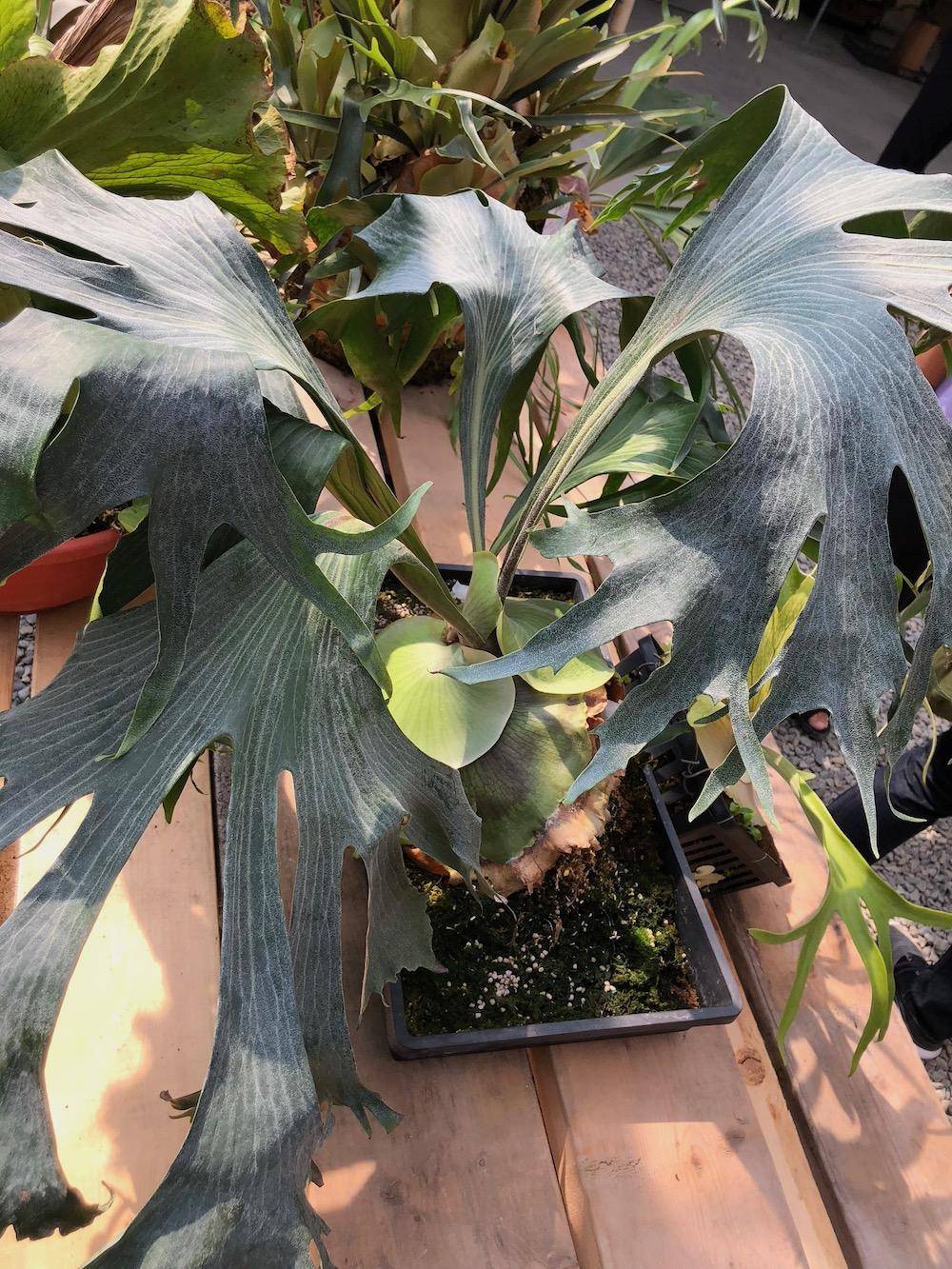
Photographed at the first Rainforest Fern Feast event in 2019.
P. hillii ‘RP / Rod Pattison’
RP, or Rod Pattison, is one of the best-known Deep Green Hillii cultivars.
Its fertile fronds maintain a broad, complete main surface without pronounced waves.
Fine branching begins to develop toward the tips, where a subtle yellowish gradient can also be seen.
As the fronds mature, they develop an almost black-green tone with a noticeably waxy and water-repellent surface.
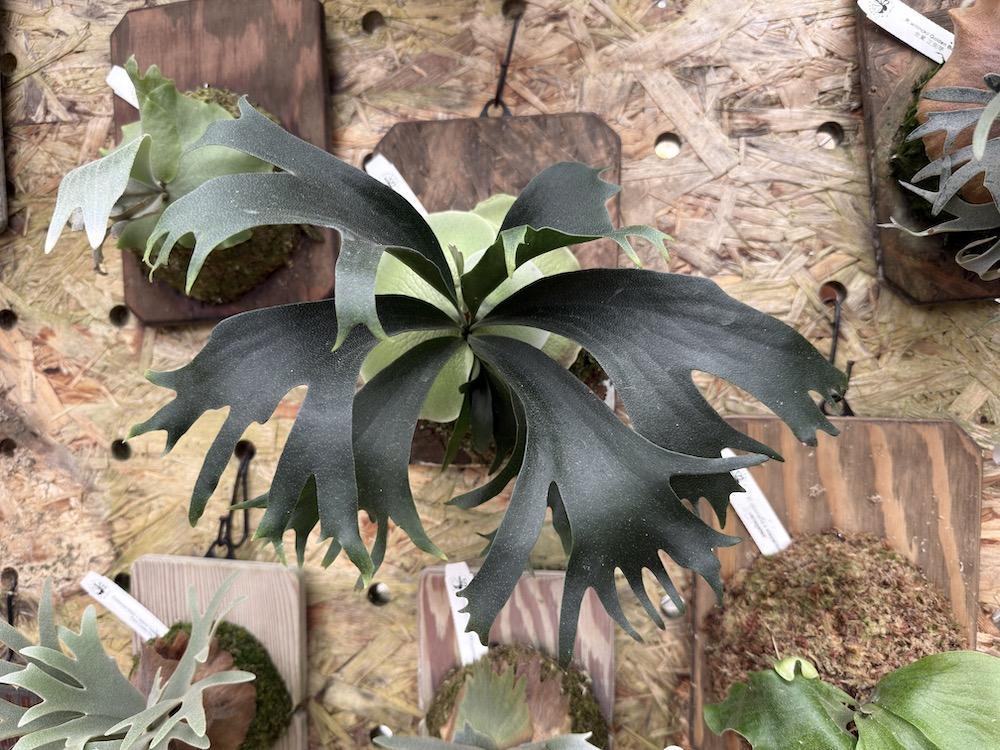 IMAGE
Two different specimens of P. hillii ‘RP’, photographed at Mr. Leaf’s garden.
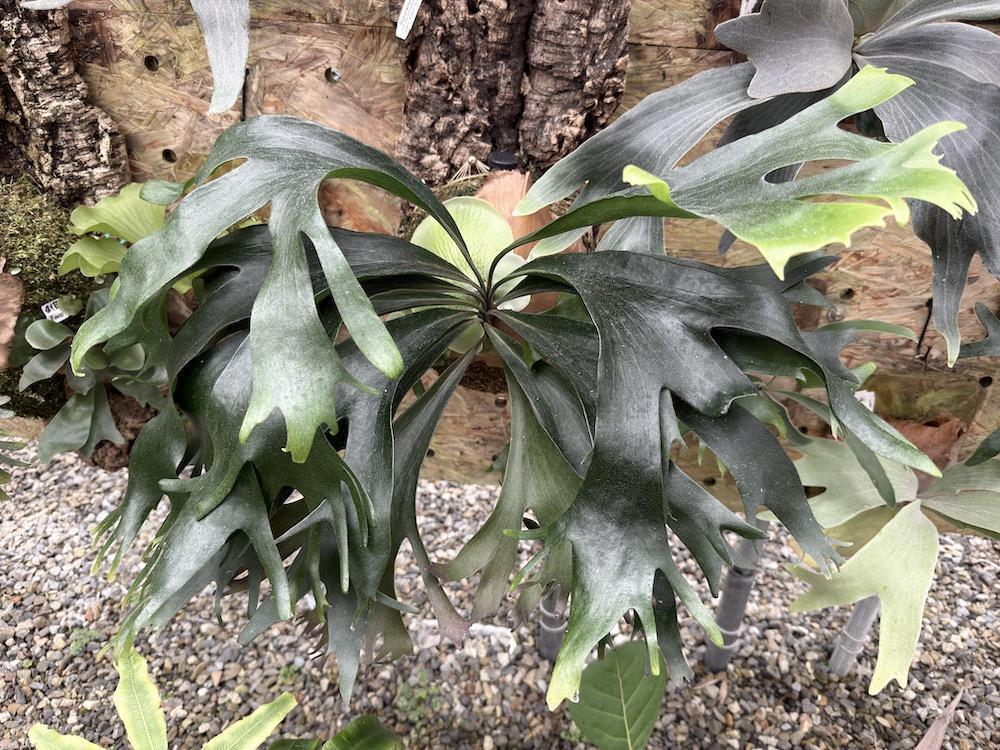
The tips show a distinct yellow gradient after branching.
P. hillii ‘Dragon’

Dragon also develops broad, rounded fronds.

Its fertile fronds display pronounced waves, folds, and twists,

creating a more three-dimensional and dynamic silhouette.

Compared with RP, Dragon has a lighter and less intense green tone.

 But its character is not defined by color alone—the strong waves and twists of the fronds are what give Dragon its distinctive appearance.
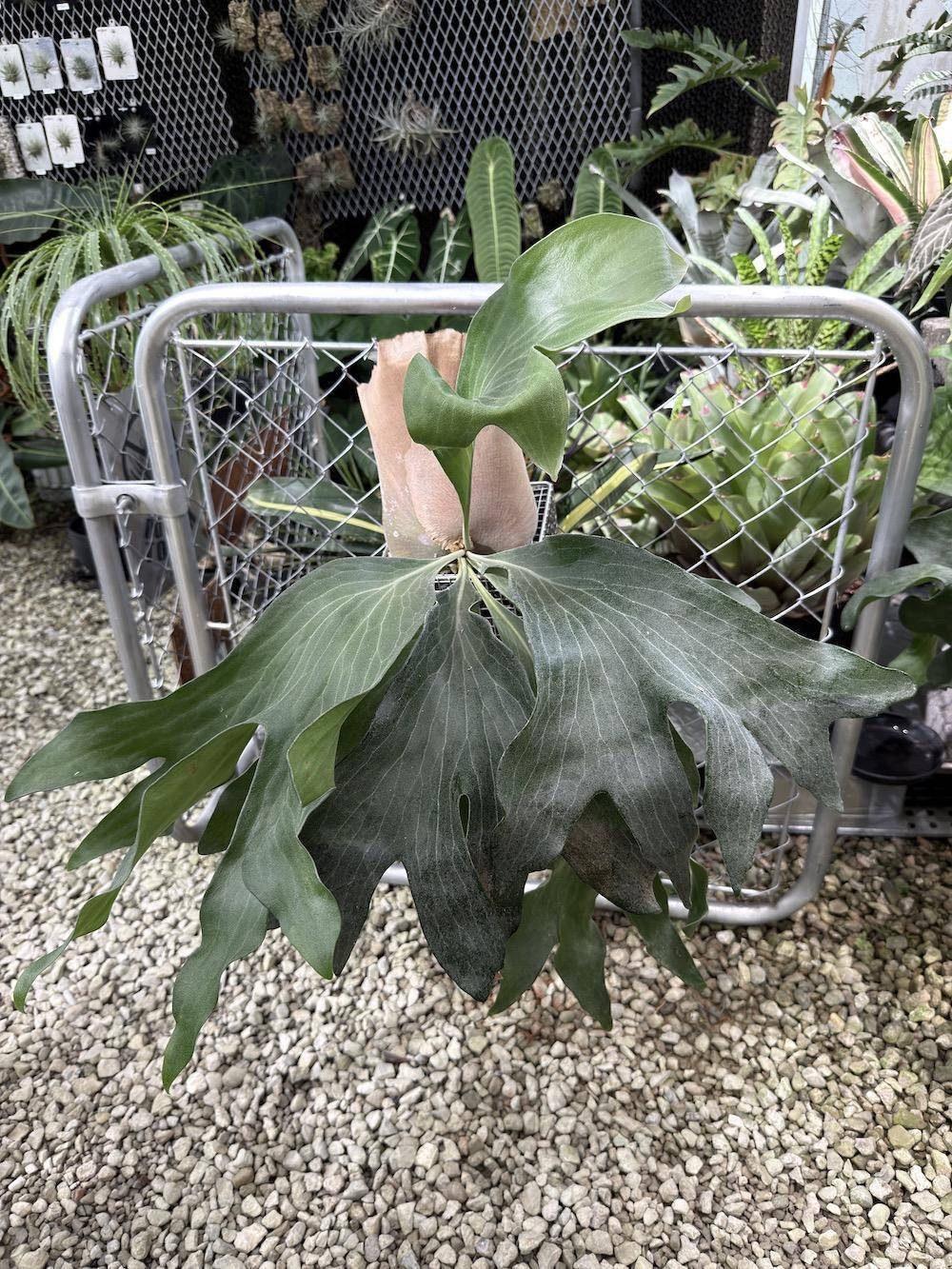
P. hillii ‘Dragon’ growing in our garden, showing its broad, rounded, and strongly undulating fronds.
P. hillii ‘Rimklong’

Rimklong is another highly distinctive Deep Green Hillii cultivar.

It has a deep-green base, but with a much more noticeable white coating and clearly defined white veins.

The fronds gradually broaden toward the tips before developing fine branching.

Unlike some typical Deep Green Hillii cultivars, Rimklong also has a less pronounced waxy appearance.

Together, these characteristics make Rimklong highly recognizable among Deep Green Hillii cultivars.
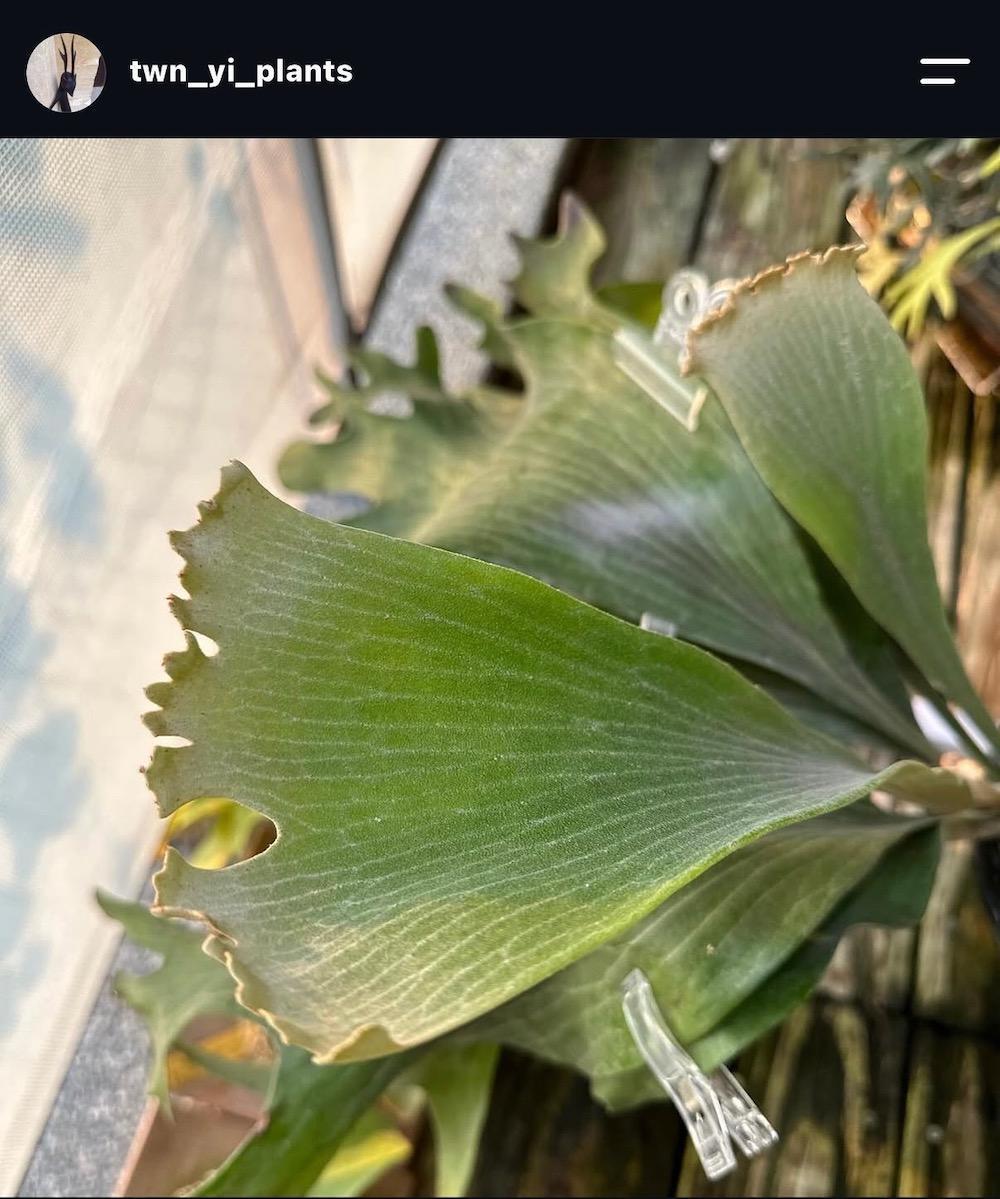
Rimklong fronds documented by a close friend.

Distinct white veins can be seen throughout every stage of frond development,

unlike the darker veins commonly seen in many Deep Green Hillii cultivars.
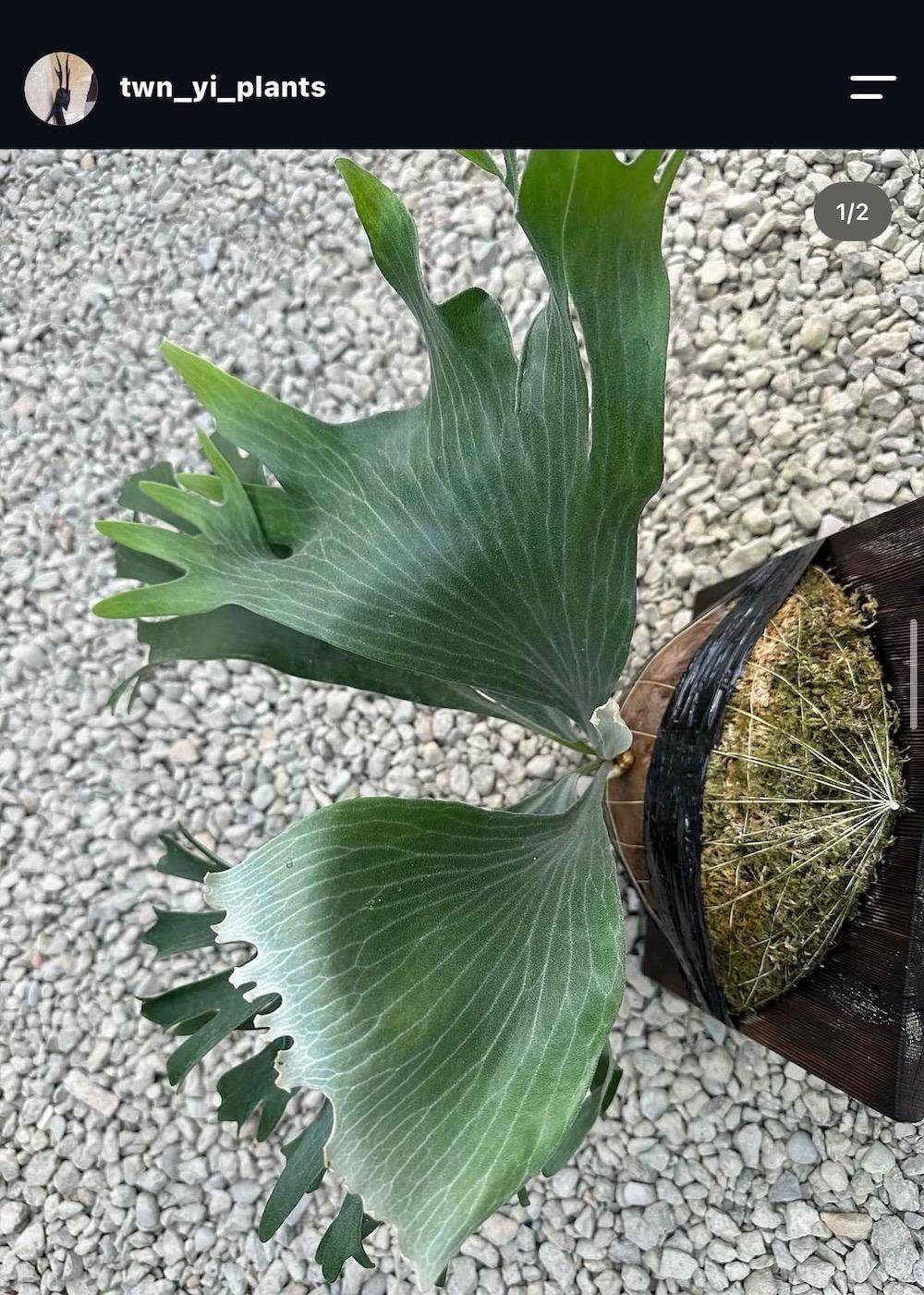
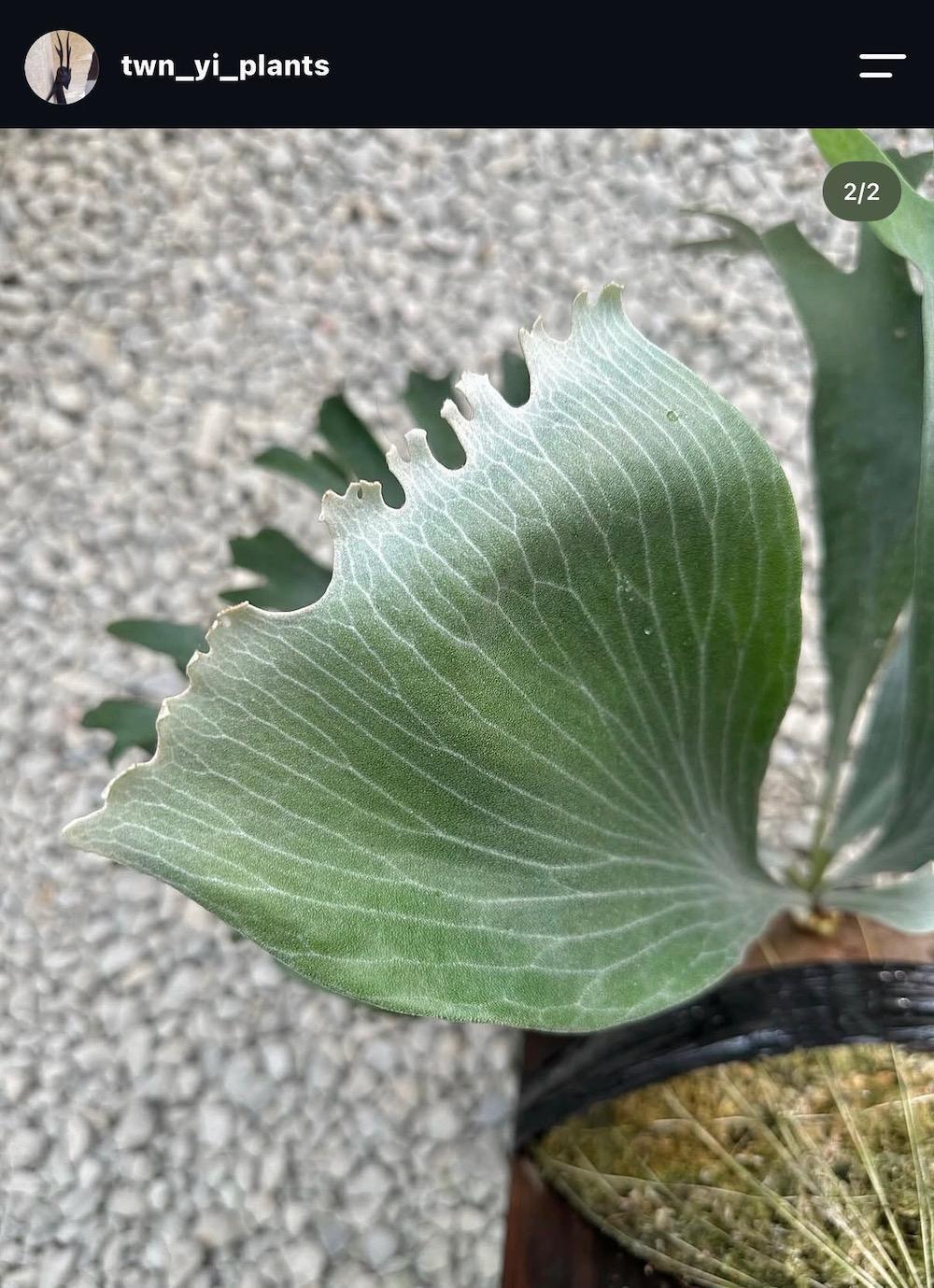
As the fronds mature, their color gradually deepens toward a much darker green.
P. hillii ‘Aor Chao’ (Yot #16)
Aor Chao takes Hillii in yet another direction.
Its fertile fronds develop deeper divisions with noticeably serrated edges.
Compared with the previous cultivars, which are characterized more by broad frond surfaces,
waves, or deep coloration, Aor Chao is easier to distinguish by the way its fronds divide and by the definition of its margins.
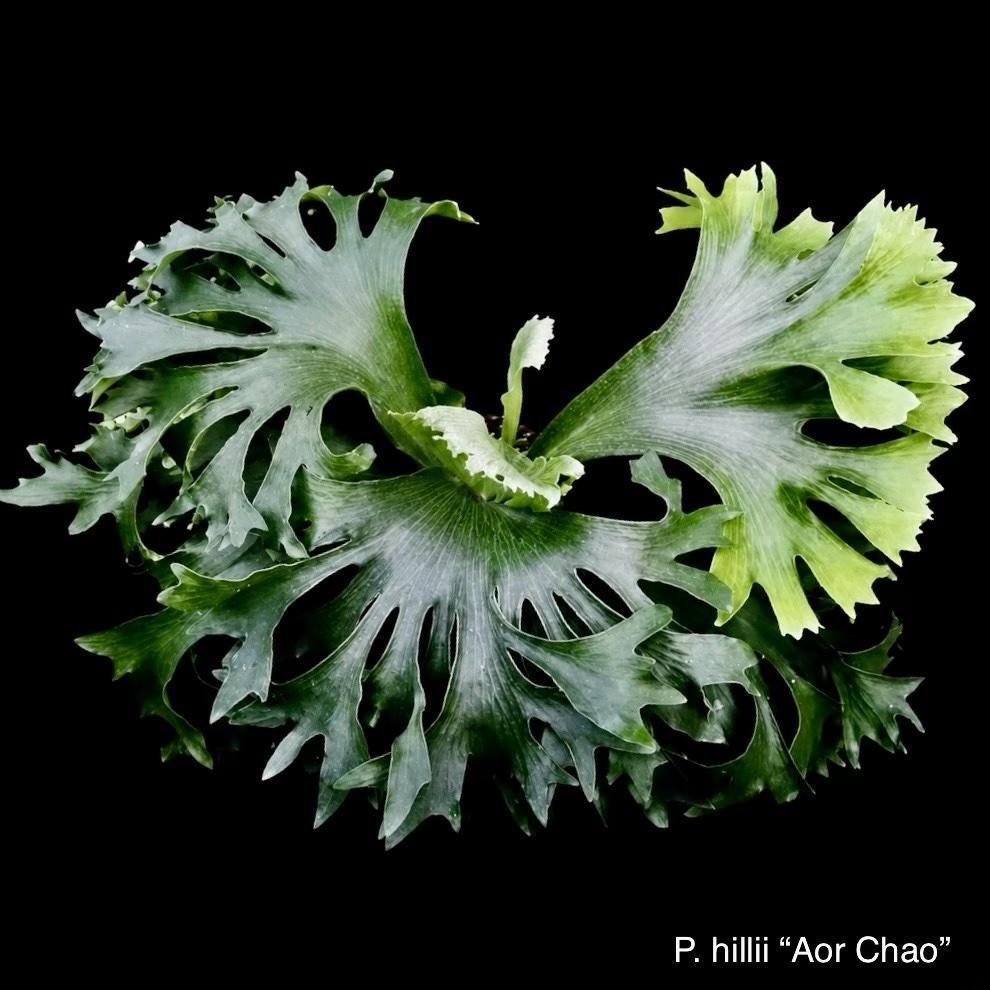
Photo of the mother plant in Thailand.
Growing Deep Green Hillii

If you want Hillii to maintain its characteristic deep-green appearance,

we recommend growing it in relatively lower-light conditions while

avoiding excessive heat and prolonged exposure to intense sunlight.

When the light is too strong or temperatures become too high,

the fronds can turn yellow and lose the rich coloration that makes Deep Green Hillii so appealing.

New fronds usually emerge in a brighter green. As they mature and age,

their color gradually becomes deeper and darker.

As long as the plant is healthy and actively growing,

consistent and generous fertilization can also help encourage a fuller,

richer deep-green appearance.
THE TRIBUS STUDIO ®


Photography / Article|Olivia & Albert


